

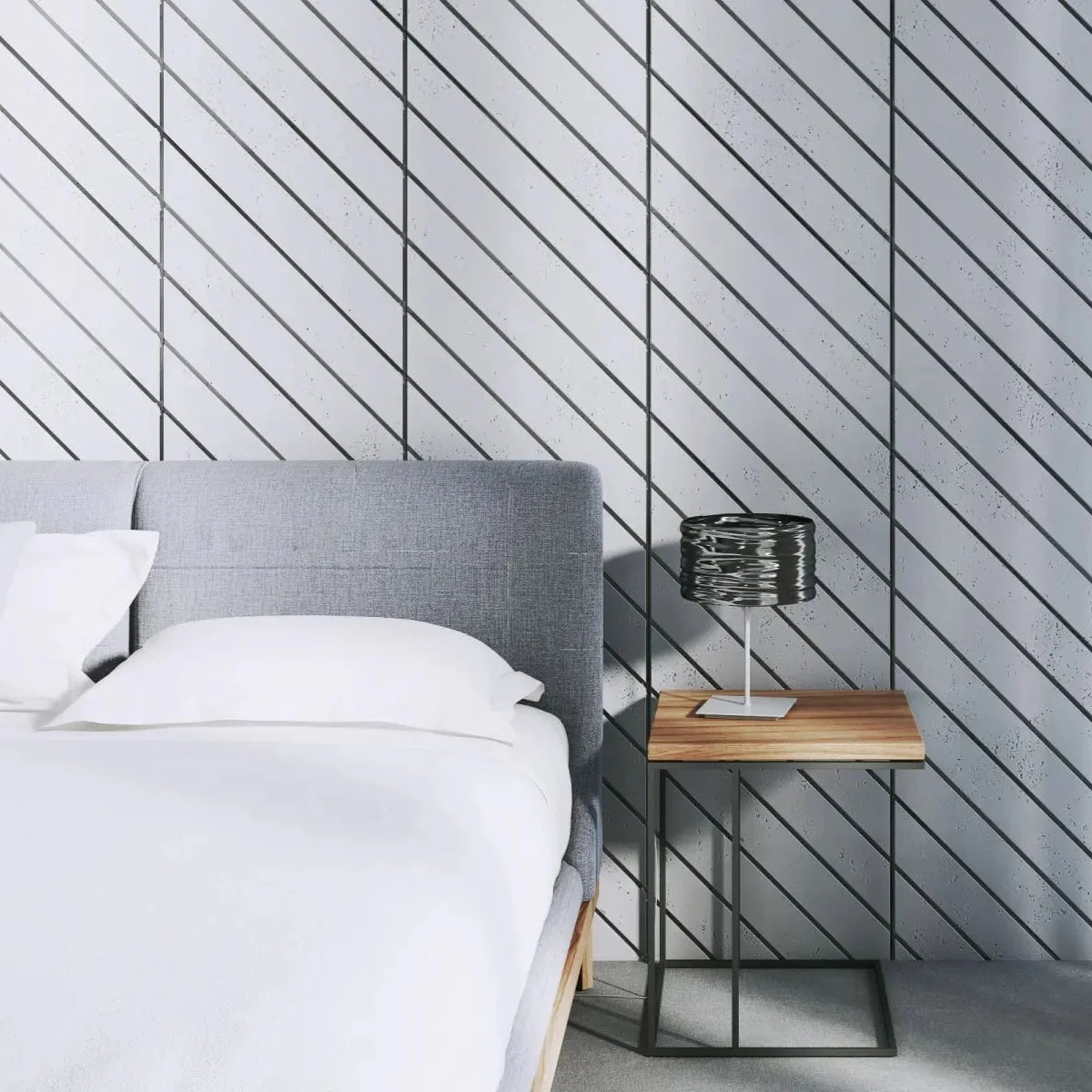
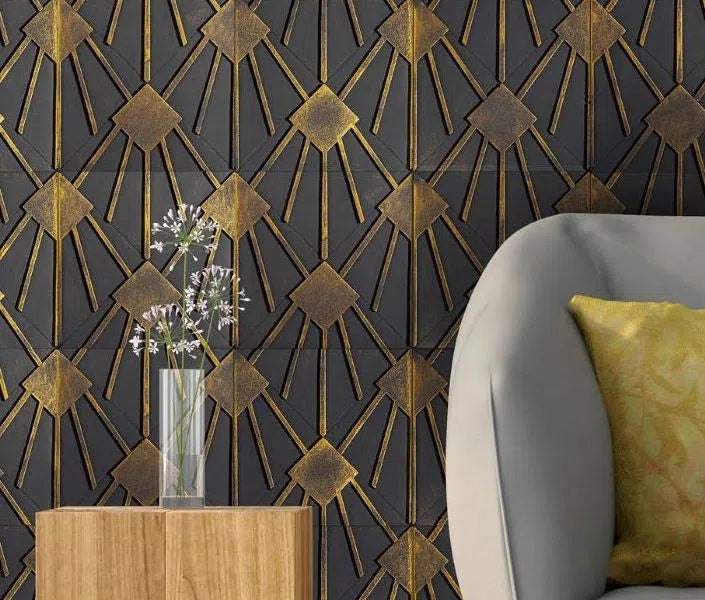
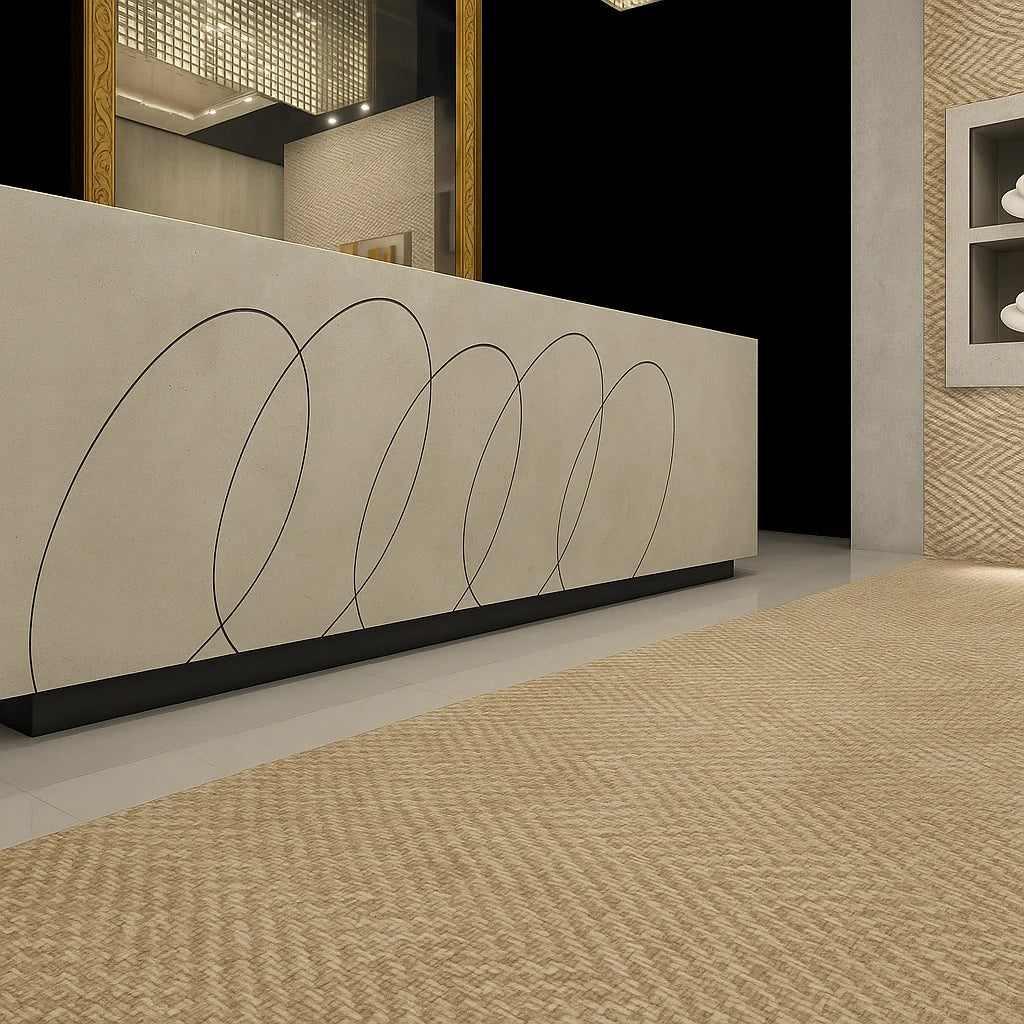
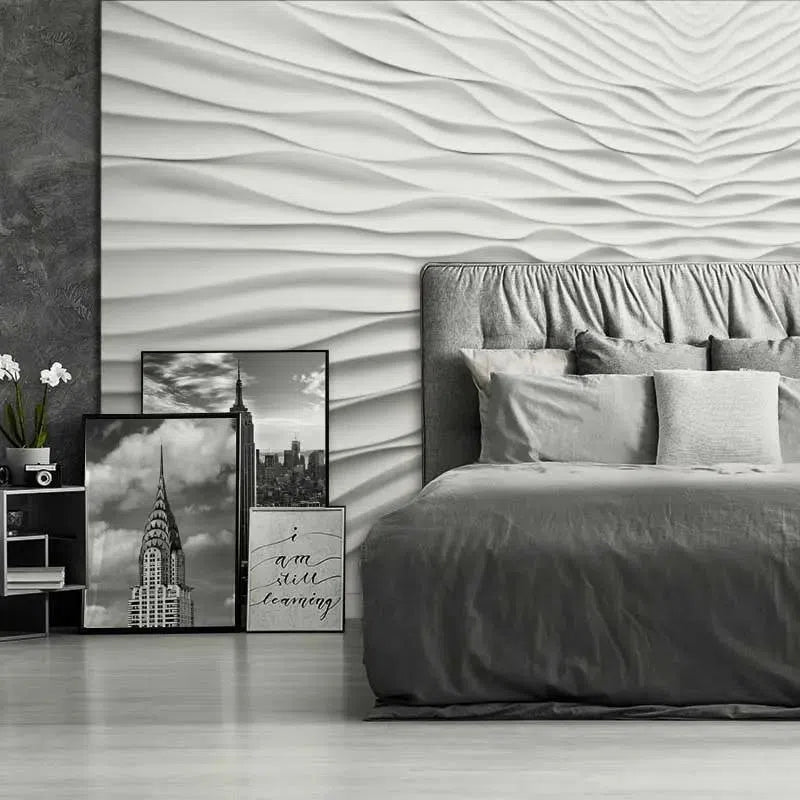




Curved and fluted wall panels can give a living room a softer, more tactile look, but the strongest scheme usually starts with one dominant pattern. Decide whether you want long repeated lines, rounded architectural motifs or a compact sculptural arrangement. Then give that choice enough plain space to be seen clearly.
Houzz's report from Maison & Objet 2026 highlights curved furniture and warm, tactile interiors. Translating that direction into your own living room does not require a new sofa. A considered wall treatment can introduce a similar sense of shape alongside furniture you already own.
Choose the type of movement
Fluting creates a steady rhythm across a surface. Rounded motifs introduce larger, more distinct shapes. Modular curved tiles offer another approach, where the arrangement itself becomes the decorative feature. These effects can overlap, so look at the whole wall rather than choosing by a product close-up alone.
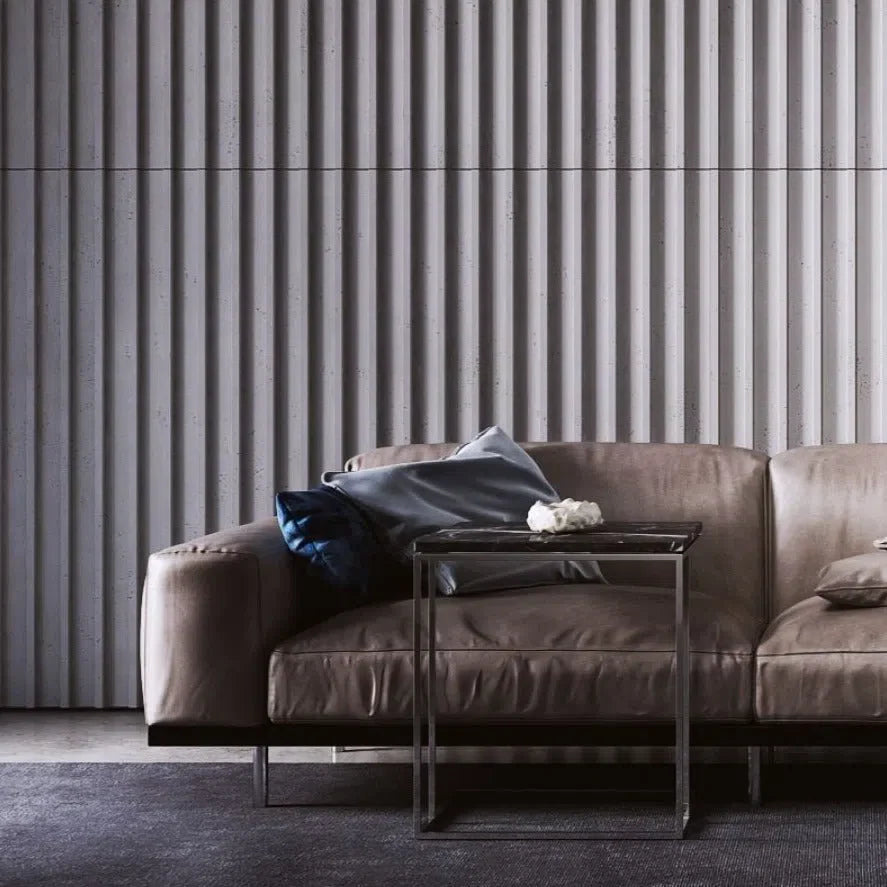
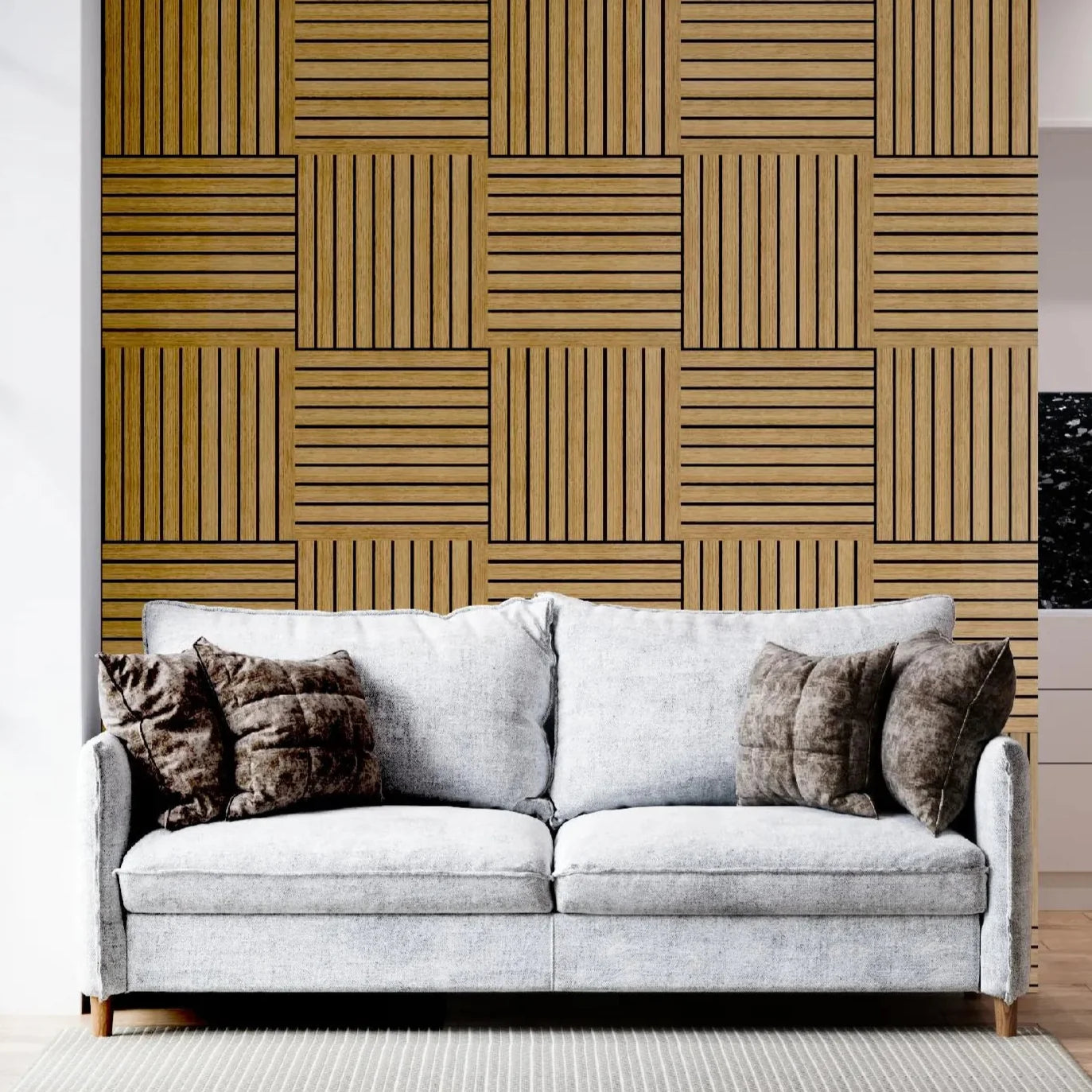
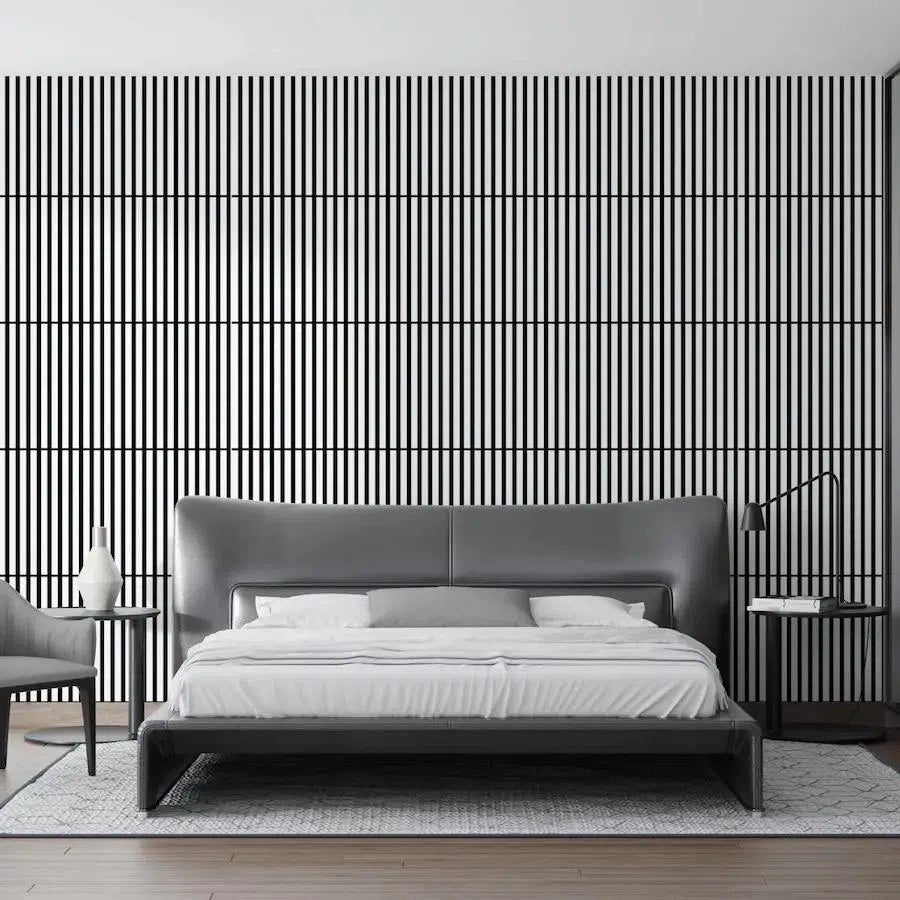
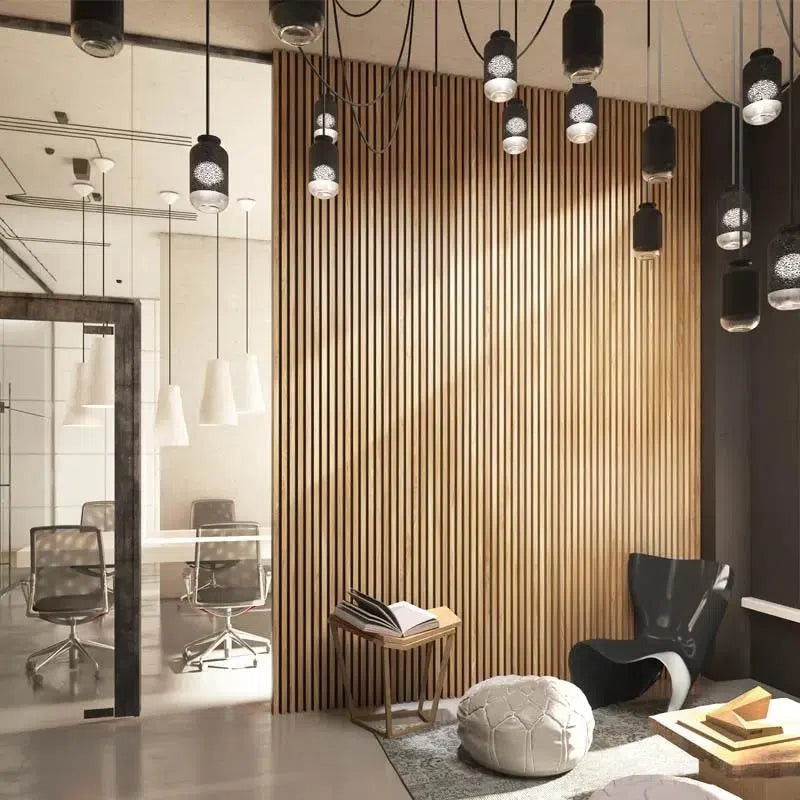
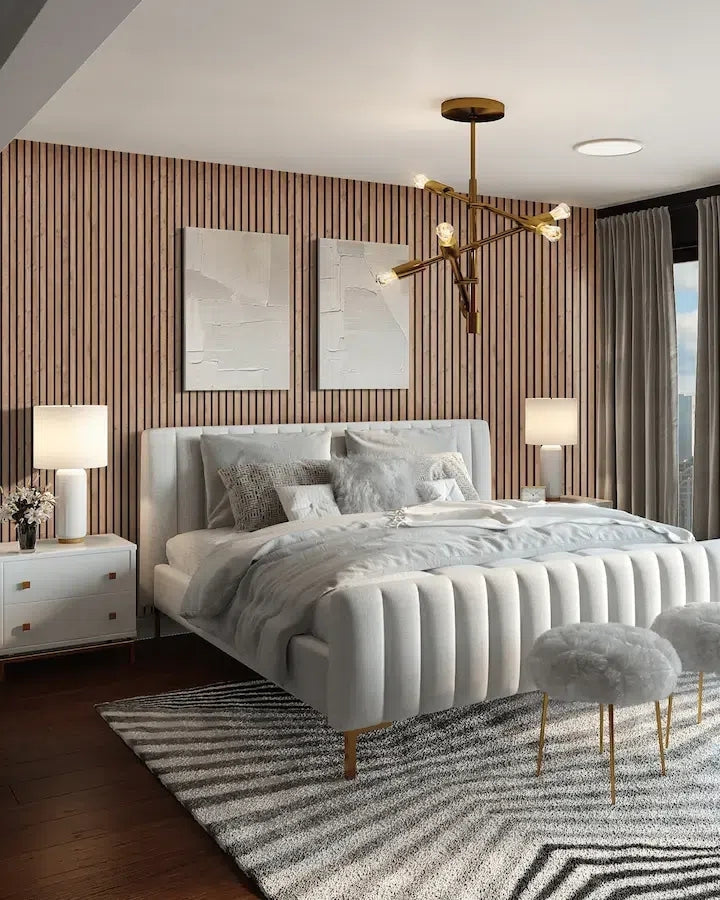
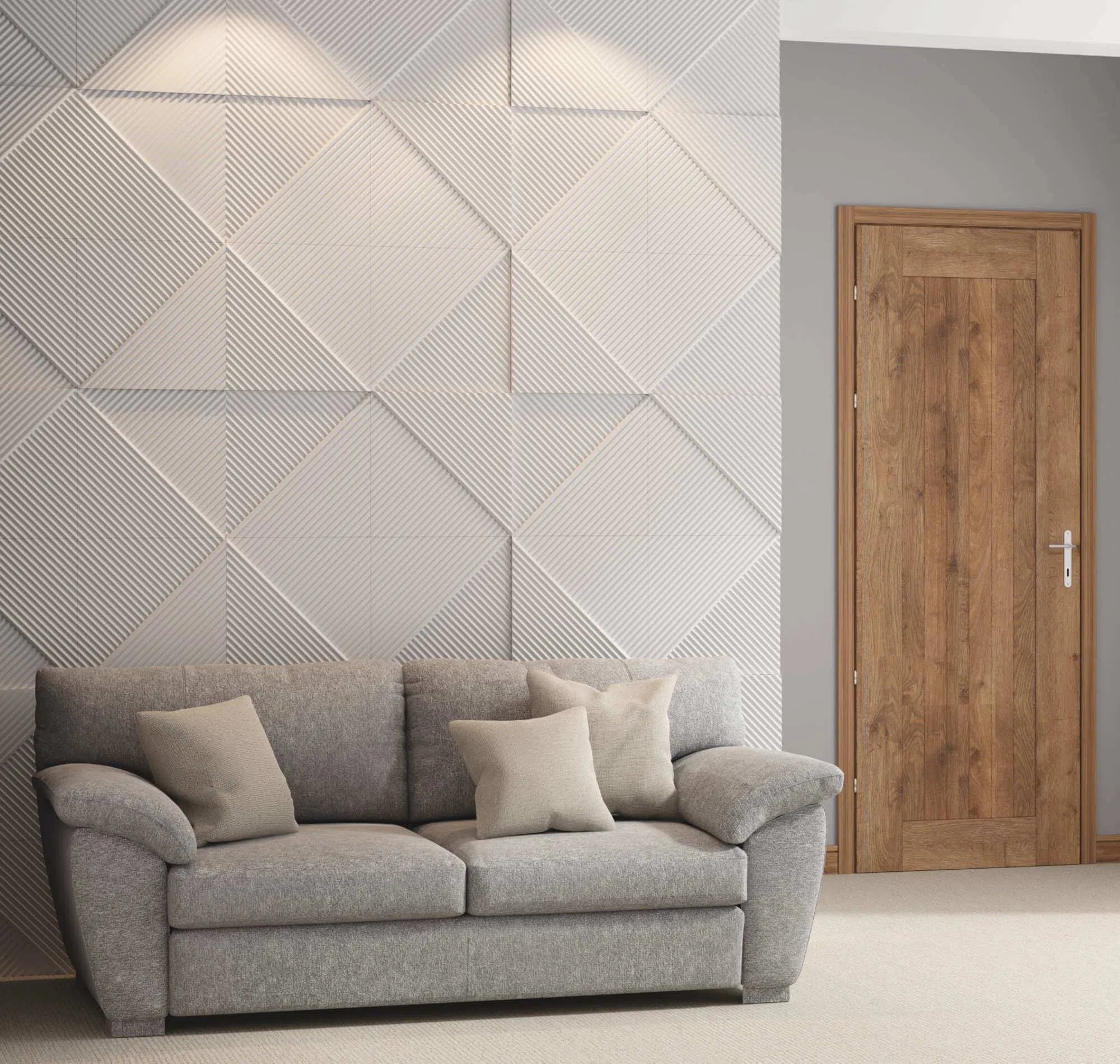
- For a quiet backdrop: fine repeated relief can add interest behind a plain sofa without needing a second strong pattern.
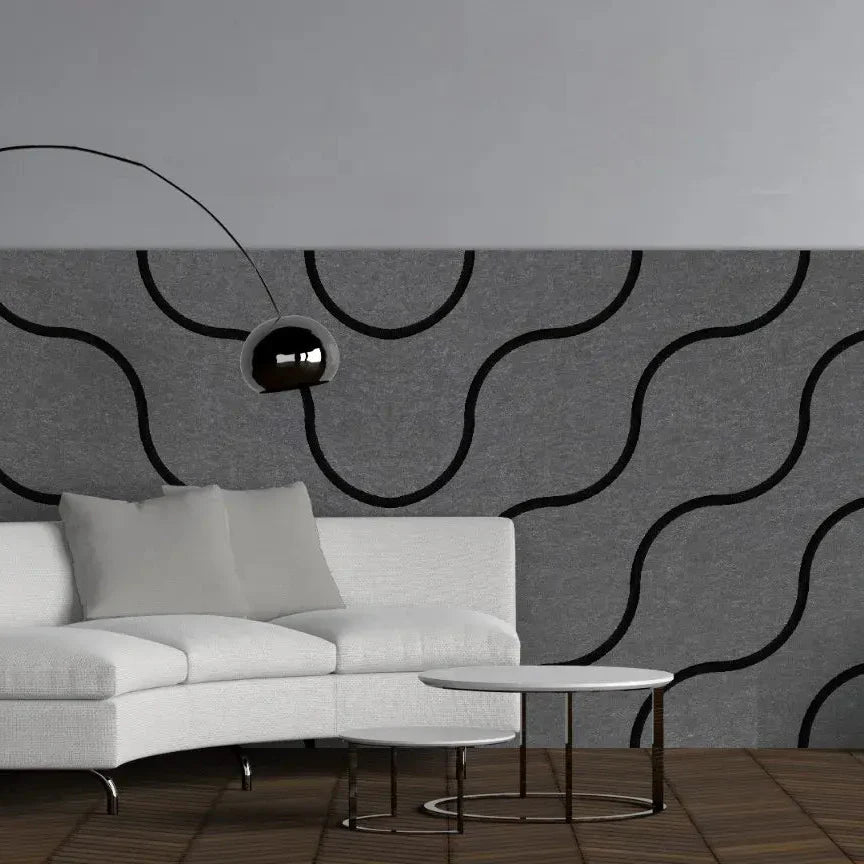
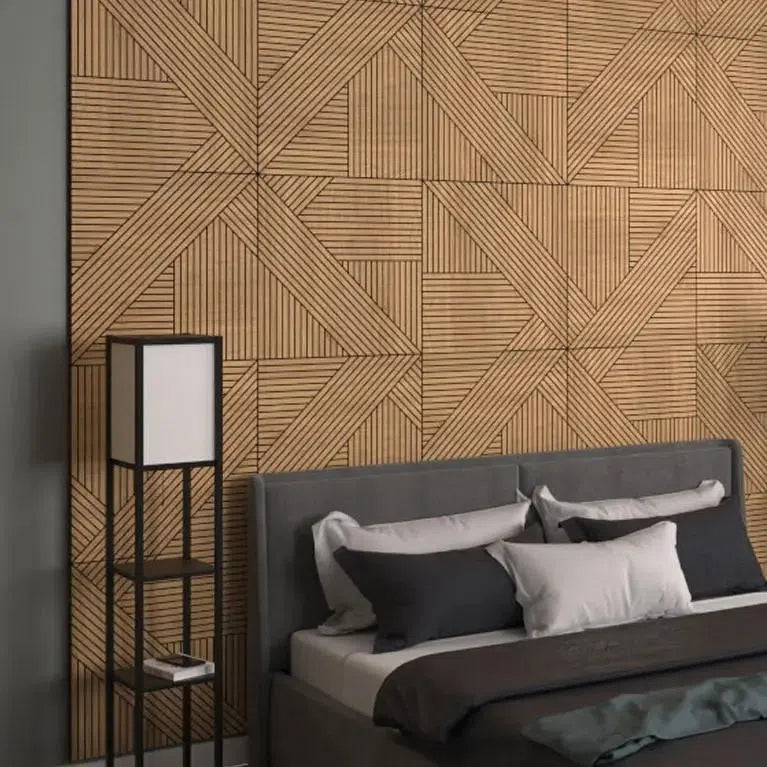
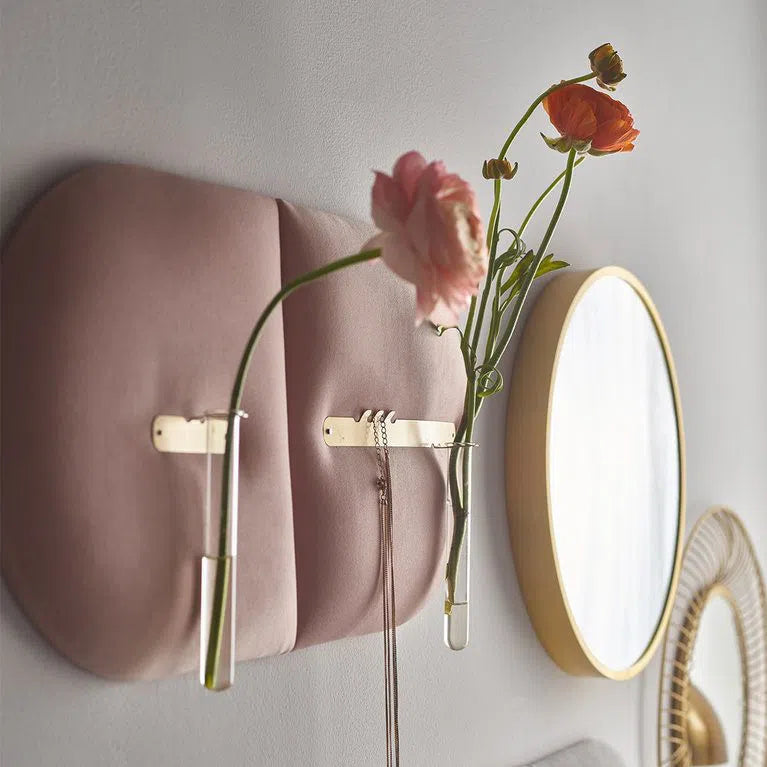
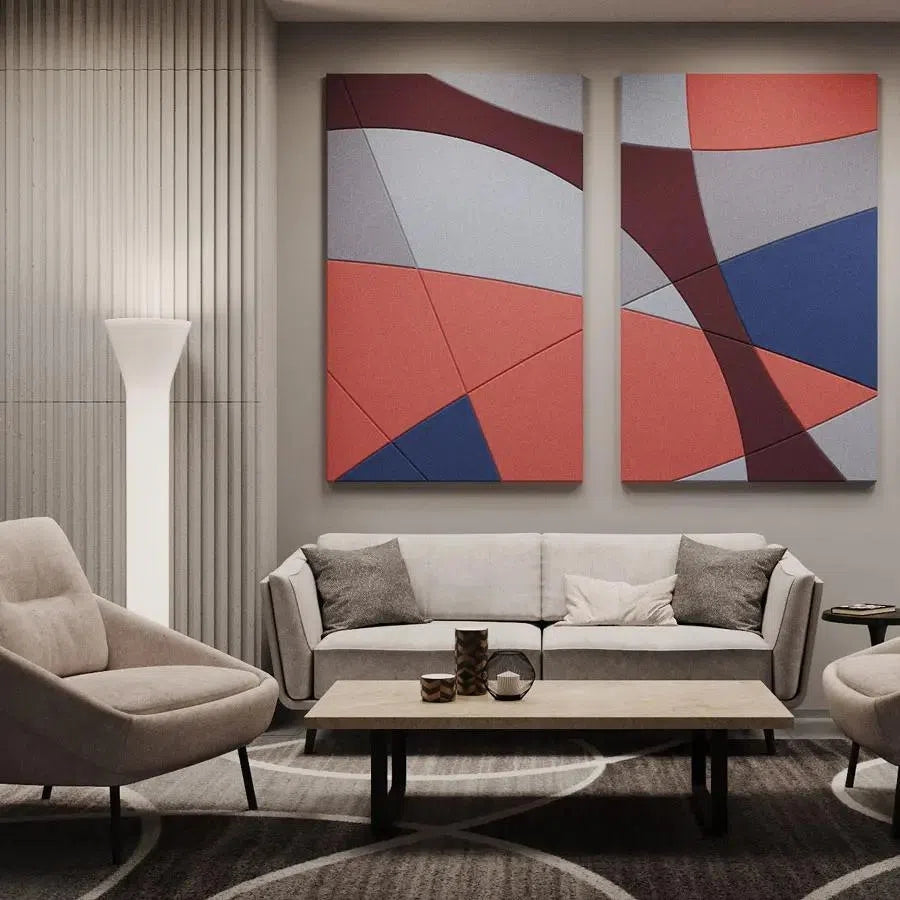
- For architectural character: elongated curved motifs can relate to a rounded mirror, doorway or occasional chair.
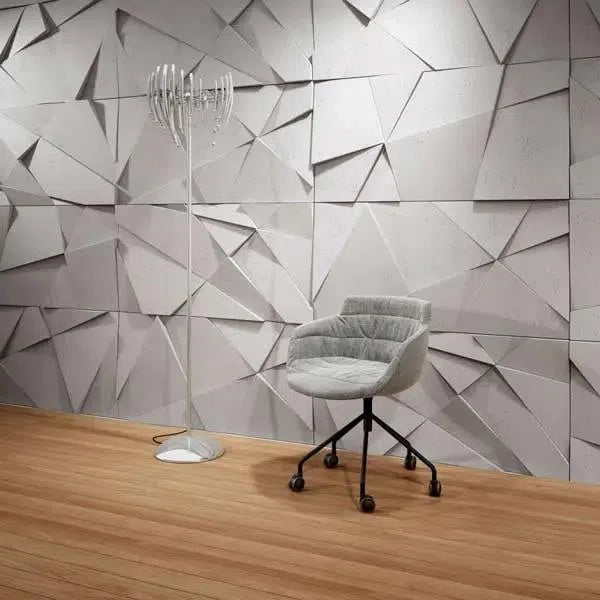
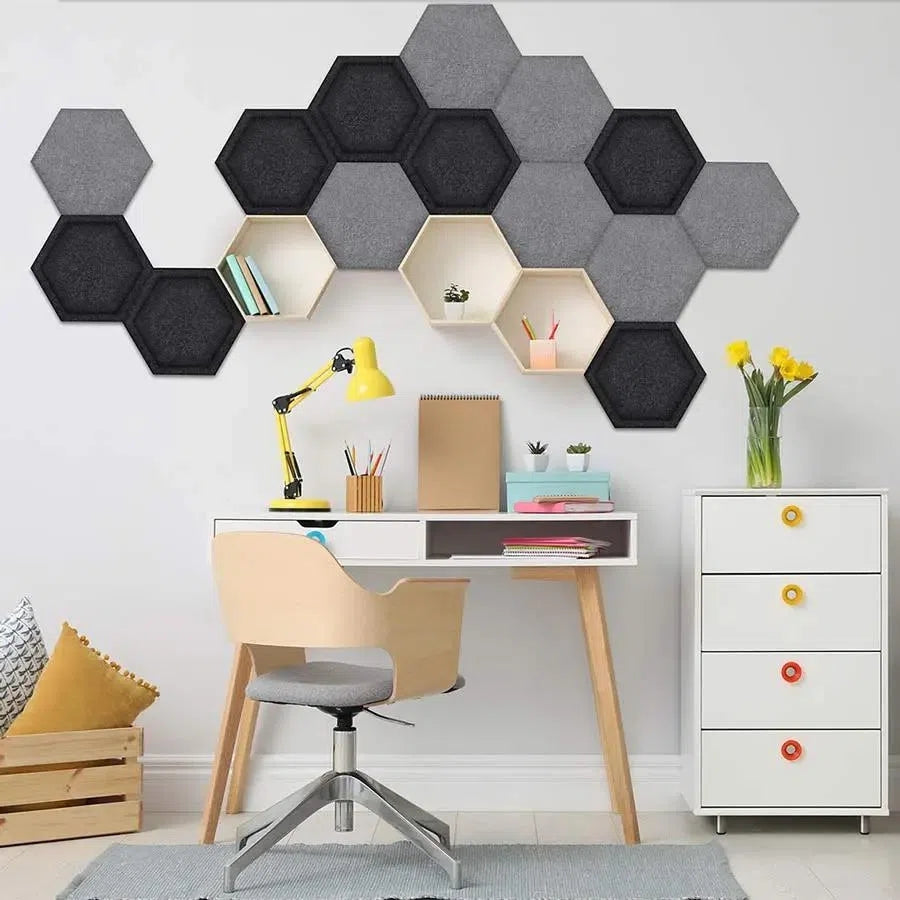
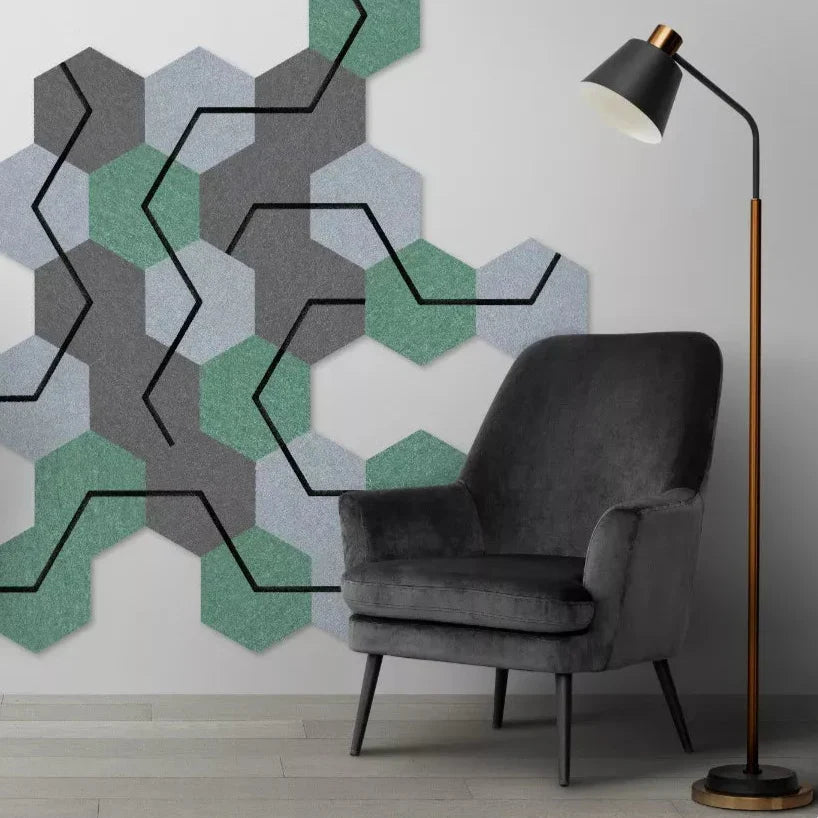
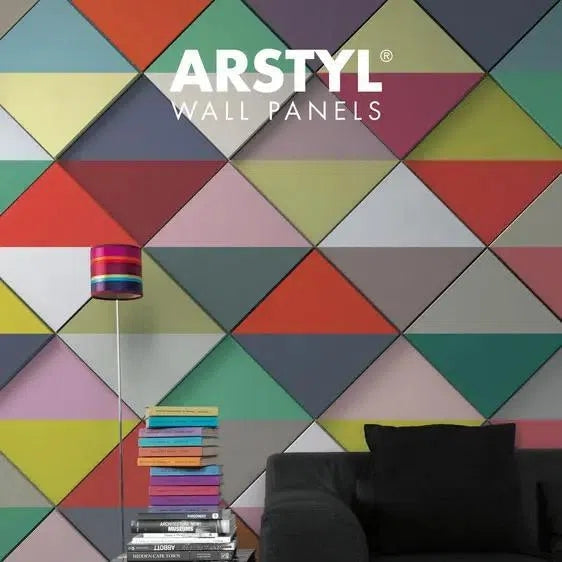
- For a compact focal point: a group of sculptural tiles can occupy a defined area instead of extending across the entire room.
Compare three different panel approaches
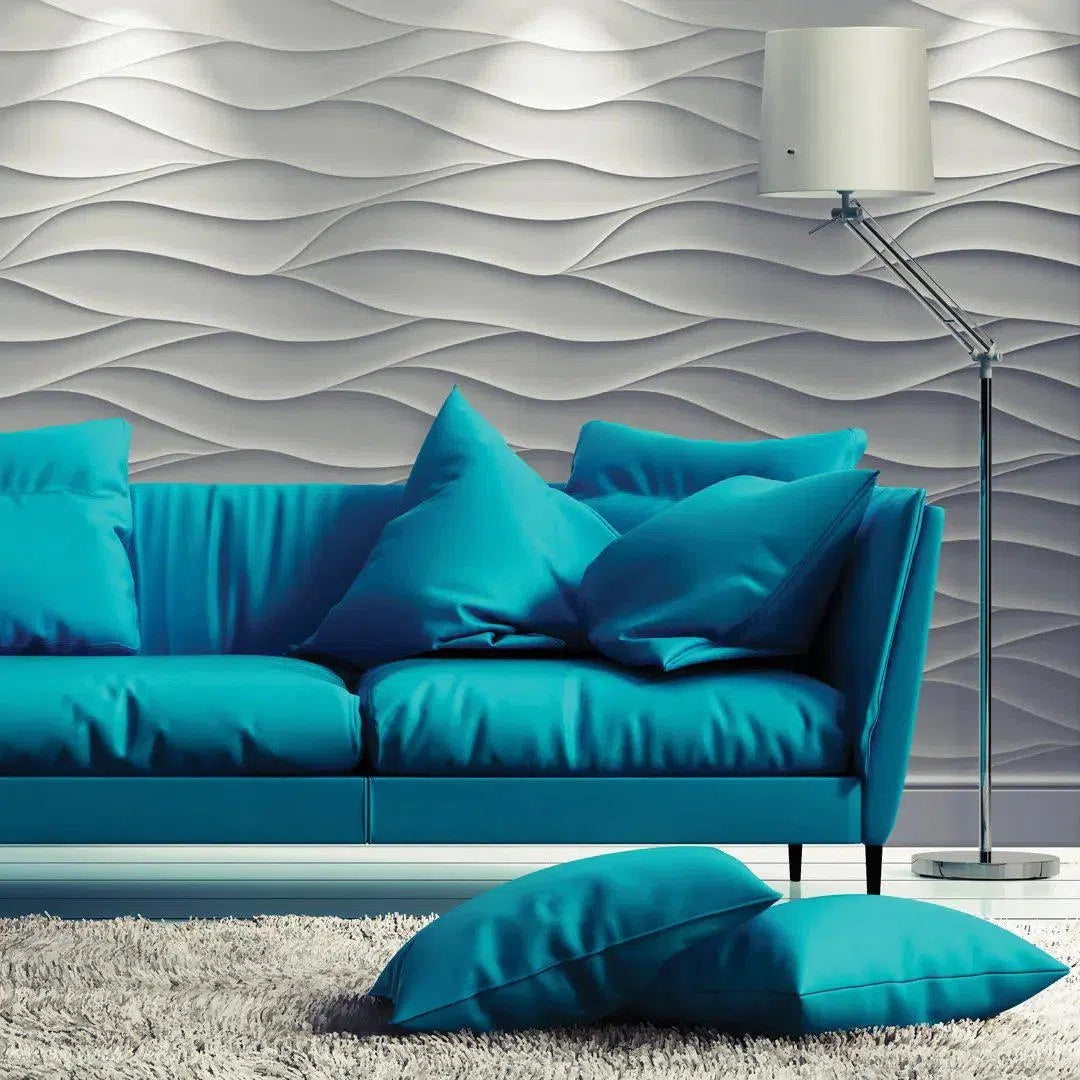
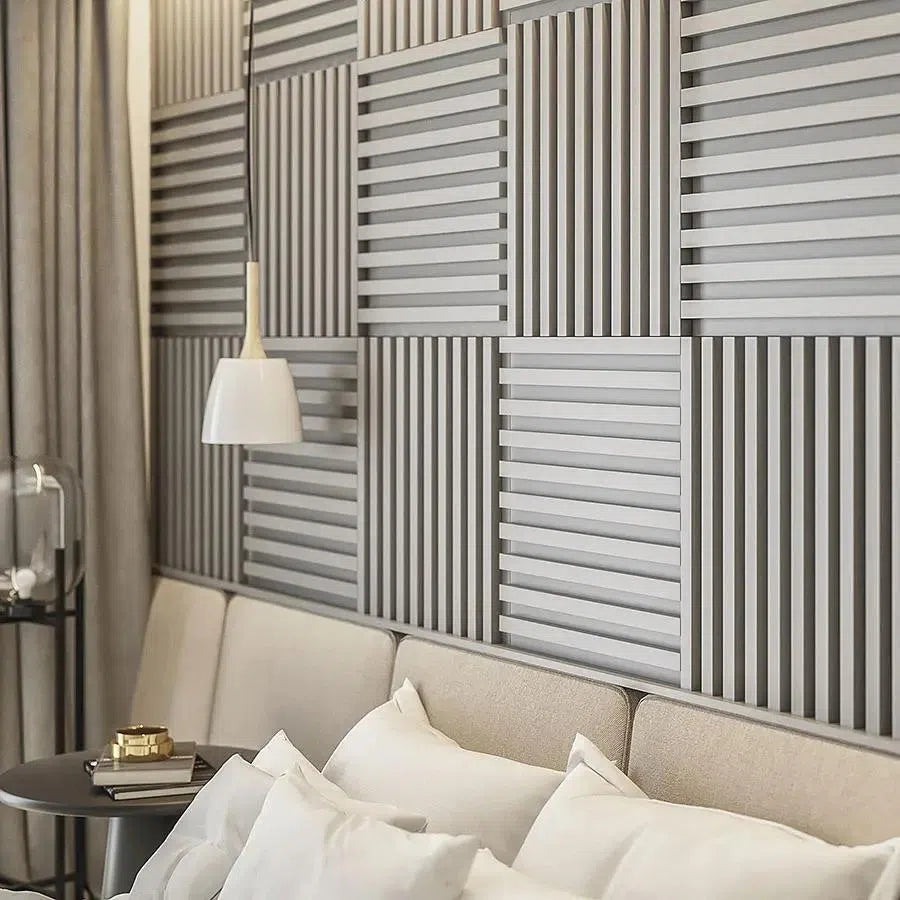
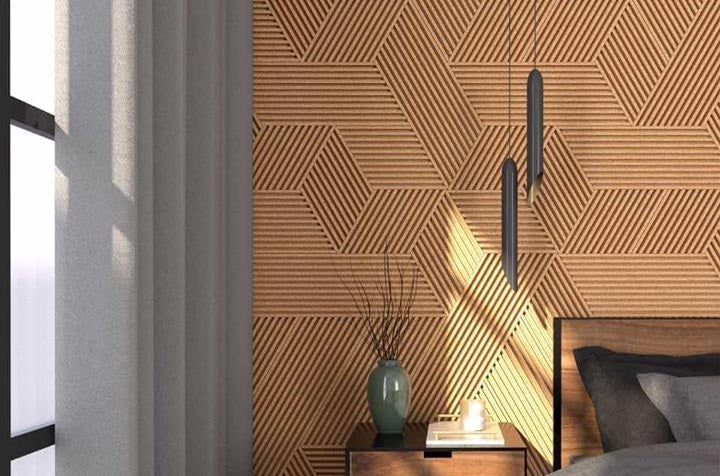
ARC S Arstyl has rounded, elongated motifs and measures 950 × 380 × 14.5 mm. CANELÉ S Arstyl uses a finer repeated relief in a 2,000 × 300 × 14.5 mm format. Both are factory-primed, giving you scope to connect the wall treatment to your room's paint palette.


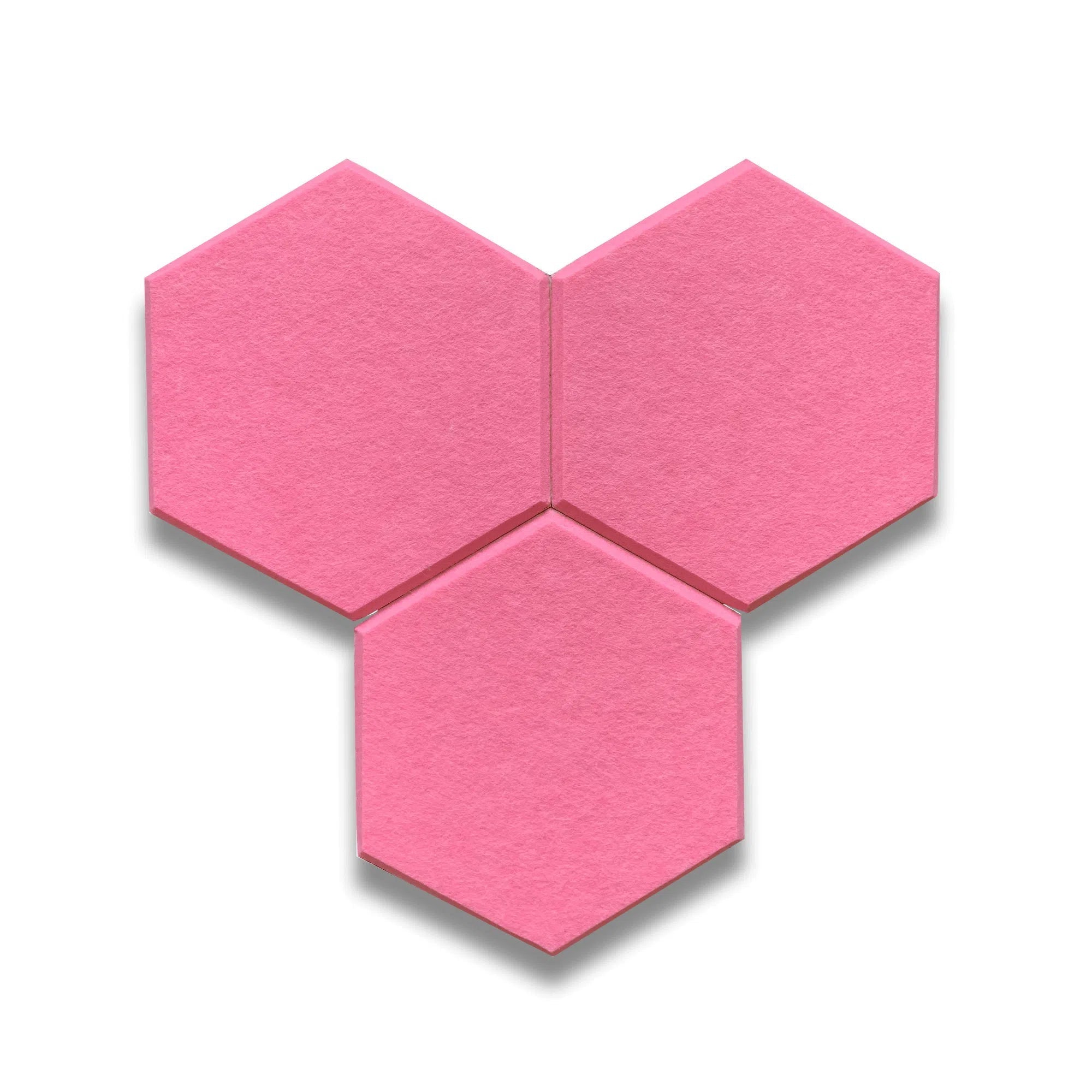
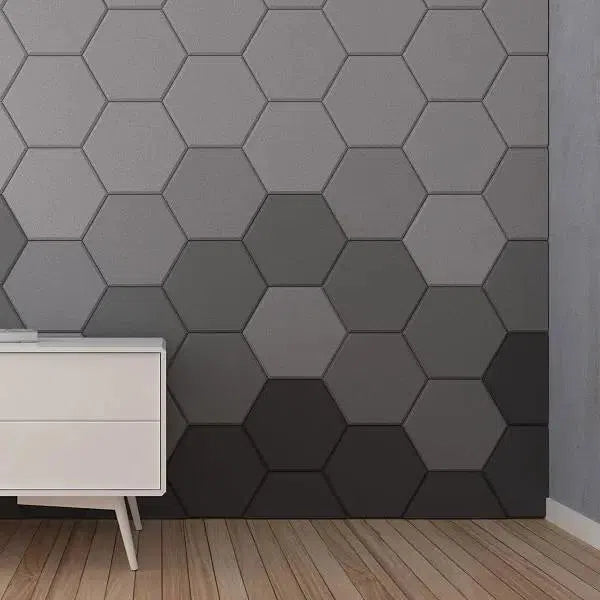
CURVE Arstyl is a smaller modular wall element, measuring 380 × 380 × 31 mm. Its greater projection makes the shadow pattern more prominent. Plan it as its own composition, with the layout and surrounding blank wall considered together.

These are three different design routes. You do not need all of them in one room. If you combine textures, choose a main treatment and keep the secondary one limited in scale or location.
Connect the wall to the furniture
Start with the largest pieces you are keeping. A curved sofa already has a strong silhouette; fine fluting behind it may offer a calmer contrast than another large curved pattern. A straight-sided sofa can sit comfortably in front of rounded motifs when the colour palette is restrained.
Look at the legs, arms and edges of the coffee table too. Repeating every curve can become overly coordinated, while mixing every texture can feel busy. Try carrying one shape through two elements, then allowing the other surfaces to remain simple.
Consider the view from the doorway. A feature behind the sofa may become the first thing you see, while a panelled television wall is viewed for much longer. For the latter, test whether the relief and lighting distract from the screen.
Draw the repeat and the boundaries
Use a measured wall elevation to show each panel or tile. Mark corners, sockets, wall lights and furniture edges. Decide whether the pattern should be centred on the wall, the sofa or another fixed element before placing the first piece.
As a simple example, four 380 mm-wide CURVE elements placed edge to edge span a nominal 1,520 mm. Any intentional spacing increases that width. This illustrates the footprint only; confirm the final arrangement, fitting instructions and quantity for the actual project.
For long fluted panels, check the wall height as well as its area. A 2 m-long panel does not cover a taller wall in one piece. Plan joints and finishing profiles before ordering, and avoid leaving a narrow accidental strip at the end of a run.
Let light reveal the texture
View a panel or sample under the room's normal light, including evening lamps. Light from the side emphasises relief; more diffuse light can make it appear quieter. Test a proposed wall light before committing to its position, especially beside a deep sculptural tile.
Check the full build-up against nearby door trims and furniture. Keep electrical fittings accessible and use suitable independent fixings for shelves, televisions and other loads. Decorative panels should not be assumed to provide structural support.
Frequently asked questions
Does a curved design mean the panel bends?
No. Curved describes the visible motif here. If your wall itself is curved, check the exact product's suitability and required bending radius rather than assuming a standard decorative panel is flexible.
Can I paint the panels to match the wall?
These products are factory-primed. Follow the current product instructions and confirm a compatible paint system. Matching the wall colour lets shape and shadow provide the contrast.
Bring the plan together
Choose the main rhythm, draw the layout and test it with your furniture and lighting. Explore our 3D decorative wall panels to compare curved and fluted designs for your living room.


